Biohazard Cleanup
Blood, sewage, sharps and other biohazards removed and disinfected by cleanup crews in protective gear.
Learn more →Connecticut · Western Connecticut Planning Region
Who cleans up after a loss at home in Inglenook? You do not have to. Biohazard removal, crime scene cleaning, trauma cleanup and medical waste pickup are all answered at (877) 812-4220, day or night.
If anyone is in danger, call 911 first. For a suicide crisis, call or text 988.
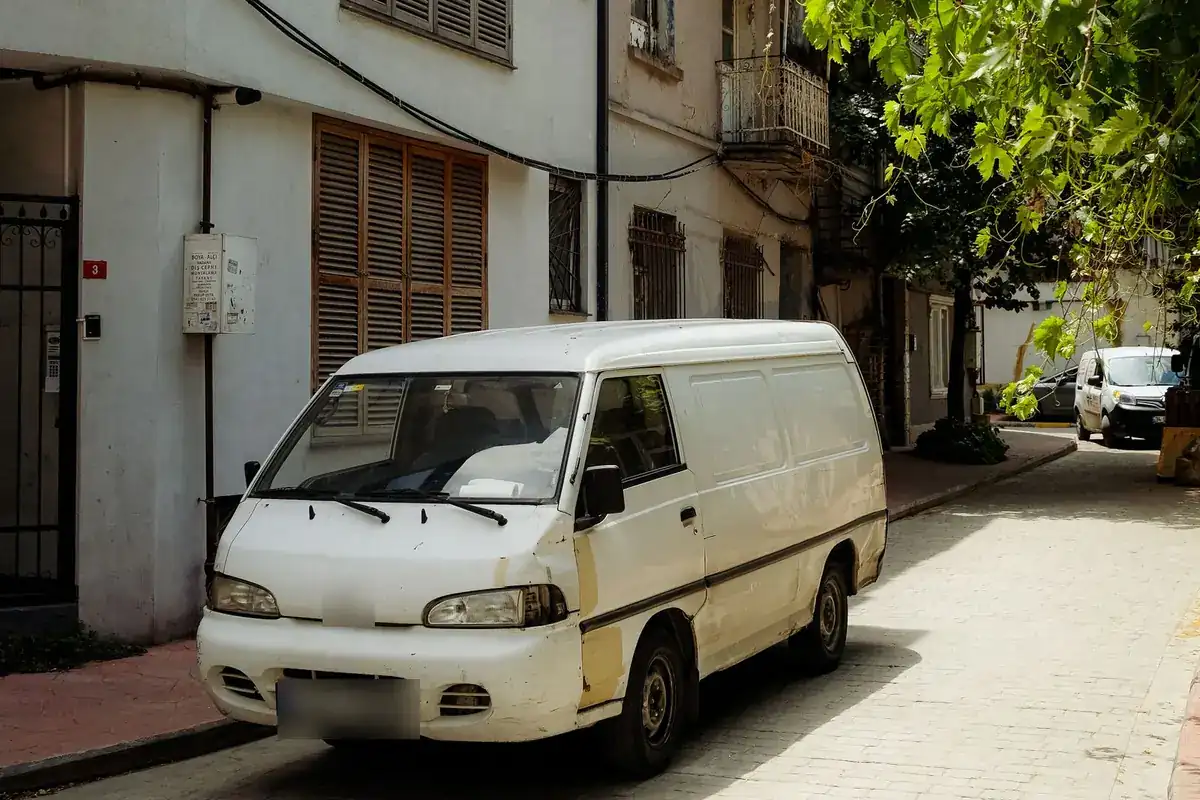
Biohazard removal means taking out the materials that carry germs and then treating what is left so the space is safe again. In Inglenook, CT, property owners, landlords, families and businesses can get this work done by calling Inglenook Biohazard Cleanup Help.
Discretion is part of the work. Vehicles are unmarked, the crew keeps its voice down and nothing about the job is shared with neighbors. Coverage includes Inglenook, Western Connecticut Planning Region and the surrounding area of Western Connecticut Planning Region.
With roughly 1,056 residents, Inglenook is a small community, and biohazard cleanup is available here the same way it is in a big city. Annual rainfall in Inglenook averages about 53 inches. Rain and humidity can drive mold, sewage backups and lingering odor, which is why cleanup includes drying and air treatment.
Decontamination starts with protecting people. Crews suit up in PPE, set up barriers so contaminants cannot drift into clean rooms, and work to OSHA bloodborne pathogen protocols (29 CFR 1910.1030) from the first step to the last.
Products matter because a mild cleaner will not kill bloodborne germs. Biohazard cleaners use EPA-registered, hospital-grade disinfectants, follow the label for contact time and pair them with air treatment for lingering odor.
Each of these biohazard cleaning services is open around the clock in Inglenook, CT. Tap a card to read more, or call (877) 812-4220 to talk it through with a cleanup specialist.
Blood, sewage, sharps and other biohazards removed and disinfected by cleanup crews in protective gear.
Learn more →Cleanup after violent crimes, break-ins and assaults, using protective gear and EPA-registered disinfectants.
Learn more →Trauma cleaners remove blood, bodily fluids and odor after injuries, violent events and sudden emergencies.
Learn more →Removal of soaked materials, safe waste hauling and deodorizing after a delayed discovery.
Learn more →Gentle, discreet cleaning and disinfection of a home or rental after a death by suicide.
Learn more →Homicide cleaners remove contaminated materials, disinfect every affected surface and prepare records for insurers.
Learn more →Blood in cars, vans and rideshare vehicles cleaned from seats, mats and panels, then disinfected.
Learn more →Human feces cleanup and removal in homes, rentals and workplaces, with odor treatment included.
Learn more →Urine and feces cleanup that removes soaked carpet, mattresses and furniture and sanitizes the affected area.
Learn more →Finds the source of a death odor and removes it, instead of masking it with sprays.
Learn more →Safe pathways, careful sorting and deep cleaning for homes with heavy buildup of belongings.
Learn more →Hoarding cleanouts for estates, sales and rentals, done carefully and without judgment.
Learn more →Animal hoarding cleanup with protective gear, soaked flooring removal and thorough sanitizing.
Learn more →Filth cleanup for kitchens, bathrooms and living areas, with odor treated at its source.
Learn more →Category 3 cleanup with protective gear, sealed disposal and EPA-registered disinfectants.
Learn more →Emergency disinfection after contagious illness, with soft items treated or removed and the space checked.
Learn more →Cleaning first, disinfecting second: a careful process that targets the germs, not only the stain.
Learn more →Medical waste left behind after illness, a move or a cleanup, removed with protective gear.
Learn more →Needle and sharps cleanup: syringes found, collected with tools and disposed of in sealed containers.
Learn more →Clearing a room or unit after drug use, with sealed containers and proper disposal.
Learn more →Testing, removal, cleaning and retesting for properties where meth was made or heavily used.
Learn more →Decontamination for rentals, motels, offices and vehicles after drug incidents and responder visits.
Learn more →Safe removal of solvents, fuels, pesticides, mercury and unlabeled containers from homes and businesses.
Learn more →Cleanup that begins once responders clear the scene, with records for insurers, owners and inspectors.
Learn more →Irritant residue removed from walls, floors, fabrics and vents after tear gas or pepper spray is released.
Learn more →Hantavirus-aware cleanup for cabins, sheds, barns and homes with HEPA-filtered equipment and disinfection.
Learn more →Pigeon and bird droppings cleanup on ledges, balconies, warehouses and storefronts.
Learn more →Gentle, private cleanup after a pet or wild animal has died at your home or business.
Learn more →Hazmat car cleaning with protective gear, EPA-registered disinfectants and sealed disposal of contaminated parts.
Learn more →Accident scene cleanup for homes, stores, offices and vehicles, handled quietly with protective gear.
Learn more →Workplace biohazard cleanup that contains the area, removes contamination and documents the work for insurers.
Learn more →Sorting, removal and cleaning of a loved one's home, with keepsakes set aside for the family.
Learn more →A cleanup specialist asks what happened, who is safe and whether police or an investigator have released the scene. The answers decide how the job is planned.
Barriers and filtered air keep the problem inside the affected room. Technicians put on respirators, gloves and disposable suits.
Hazardous materials are removed, and every surface is cleaned and disinfected with EPA-registered products. Items that must go are packed as regulated waste.
When the job is done, the family receives the paperwork they need for claims and a clear description of what was removed and treated.
Photos, documents, jewelry and keepsakes are set aside for the family whenever they can be safely saved.
A cleanup specialist explains the steps, the likely cost range and what the property owner needs to do next, in everyday words.
At crime and death scenes, work waits for law enforcement or the investigator to release the property. Nothing is disturbed before that.
Cleanup technicians know families may be grieving. They keep conversations short, kind and free of judgment, and they treat belongings with care.
Biohazard cleanup in Inglenook, CT typically costs $500 to $25,000, depending on the type of biohazard, the size of the affected area and how far fluids soaked into porous materials.
Most residential jobs cost $3,000 to $5,000 (Fixr). Safety equipment, specialty disinfectants and regulated medical waste disposal are real costs that cheaper, general cleaners skip. They are part of why genuine biohazard cleaning costs more than a typical house cleaning.
| Type of job | Typical range |
|---|---|
| Blood spill cleanup, small area | $500 - $2,500 |
| Crime scene cleanup, most homes | $1,500 - $7,500 |
| Unattended death cleanup | $2,000 - $7,000 |
| Suicide cleanup | $1,500 - $5,500 |
| Sewage cleanup, most homes | $2,000 - $10,000 |
| Hoarding cleanup, level 3 home | $2,000 - $5,000 |
| Meth lab cleanup, typical | $15,000 - $20,000 |
Estimates only, not a quote. Sources: Fixr, Yelp Costs, BioCleaners Directory, PushLeads, Dropcurb, Bob Vila and cleanup company cost guides. Call (877) 812-4220 to talk through the job.
About 62% of homes in Western Connecticut Planning Region were built before 1980, and older carpet, subfloor and trim hold fluids deeper, which can mean more material to remove.
Failing septic systems and sewer backups push raw sewage, a Category 3 biohazard, into homes. Sewage cleanup removes contaminated materials and disinfects every surface.
Hoarder homes can hide rotting food, animal waste, mold and pests, along with fire and structural hazards. Hoarding cleanup sorts belongings and restores a livable condition.
With a vacancy rate of 6% in Western Connecticut Planning Region, empty buildings can collect animal waste, drug paraphernalia and storm damage that nobody sees until later.
When a death goes unnoticed for days, decomposition fluids reach flooring and subfloor and the odor spreads. Death cleanup removes the affected materials and treats the odor at the source.
With renters in about 34% of homes in Western Connecticut Planning Region, landlords and property managers often call about tenant deaths, abandoned units and unsafe conditions that need biohazard cleaning.
The word biohazard covers blood, tissue, decomposition, sharps, waste and some residues. Each carries different health risks, and each calls for its own cleaning and disposal approach.
Biohazard cleaning is the safe removal of infectious or contaminated material and the disinfection of whatever it touched. Crews wear protective equipment, remove porous materials that cannot be made safe, and dispose of the waste under medical waste rules. It goes far beyond ordinary housecleaning.
The body is removed by a funeral home or the authorities. Cleaning the room afterwards is not their job; the family, landlord or estate hires biohazard cleaners for death cleanup, decomposition removal and odor removal.
Ask whether the crew follows OSHA bloodborne pathogen rules, uses EPA-registered disinfectants, disposes of waste lawfully and can document the work for insurance. Compare how biohazard cleanup companies explain scope, cost range and privacy, and be cautious about anyone who pressures you to sign on the spot.
Only what cannot be made safe. Porous items such as carpet, padding, mattresses and upholstered furniture that soaked up fluids are usually removed. Hard surfaces and many belongings can be cleaned and disinfected instead.
A few drops from a small cut can sometimes be cleaned up by a careful person wearing gloves, with disinfectant on hard surfaces. Larger amounts, anything on porous materials, or fluids from another person are best left to a cleanup crew.
Respirators, gloves, face protection, boot covers and disposable suits make up the usual personal protective equipment (PPE). It is put on before entering the work area and disposed of as contaminated waste afterwards.
The nearest emergency room is Danbury Hospital in Danbury, about 10 miles from Inglenook. In any emergency, call 911 first. Cleanup waits until people are safe.
Yes. Inglenook has about 1,056 residents, and the same biohazard cleanup services are available in Inglenook and across Western Connecticut Planning Region. Call (877) 812-4220 to talk through the job.
Crews also work near Inglenook, in places such as Ball Pond, New Milford and Western Connecticut Planning Region. Biohazard cleanup, crime scene cleaning and death cleanup are available across Western Connecticut Planning Region.
No judgment and no pressure, just a clear plan for the property.
Call (877) 812-4220